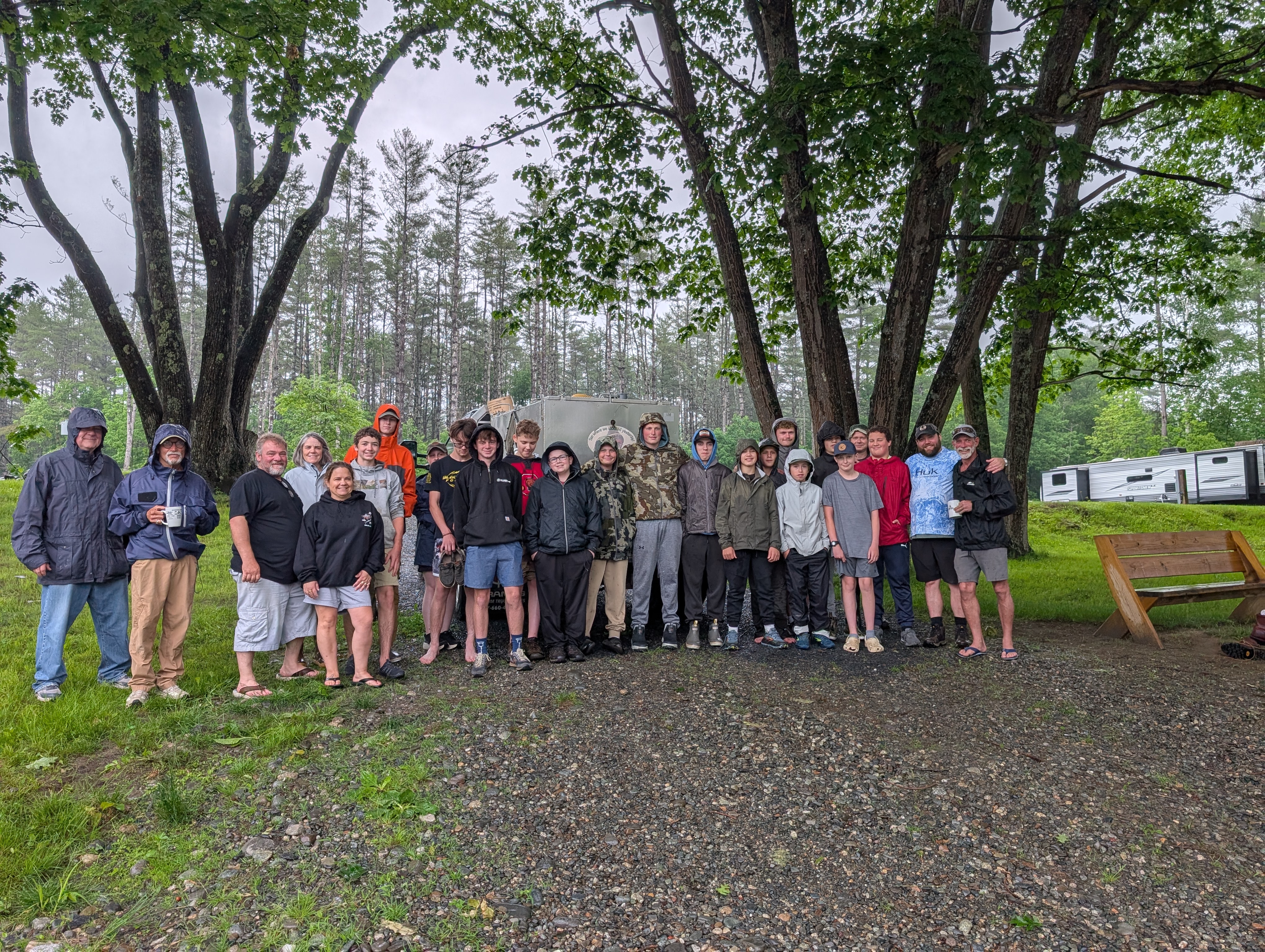
Maine TU Trout Camp is a program of the Maine Council of Trout Unlimited for young people ages 13 to 17. Modeled on other successful Trout Unlimited youth programs around the country, Trout Camp introduces teens to the joys of fly fishing and fly tying while building a foundation in watershed ecology and the importance of stream connectivity.
Camp at a Glance
- Where: Evergreens Campground, Solon, Maine
- When: June 20-24, 2027
- Who: Students ages 13–17
- Cost: $800, with a $200 deposit due upon acceptance
- Connectivity: No student access to wi-fi or cell service
Apply for Trout Camp (PDF) | Donate to Trout Camp (please indicate "Trout Camp")
Our Mission
Our mission is to build tomorrow's conservation leaders, providing Maine teens with a solid foundation in conservation, entomology, and ecology, while keeping it fun and engaging through fly fishing.
Trout Camp began in Maine in the early 2000s and has been run each year by a dedicated group of volunteers, including Registered Maine Guides, university professors, professional casting instructors, entomologists, fisheries biologists, ecologists, foresters, and hydrologic engineers. While we do charge tuition for the camp experience, a significant portion of the Trout Camp budget comes from donations from fellow anglers and contributing businesses.
A Week at Trout Camp
It's All About the Fishing
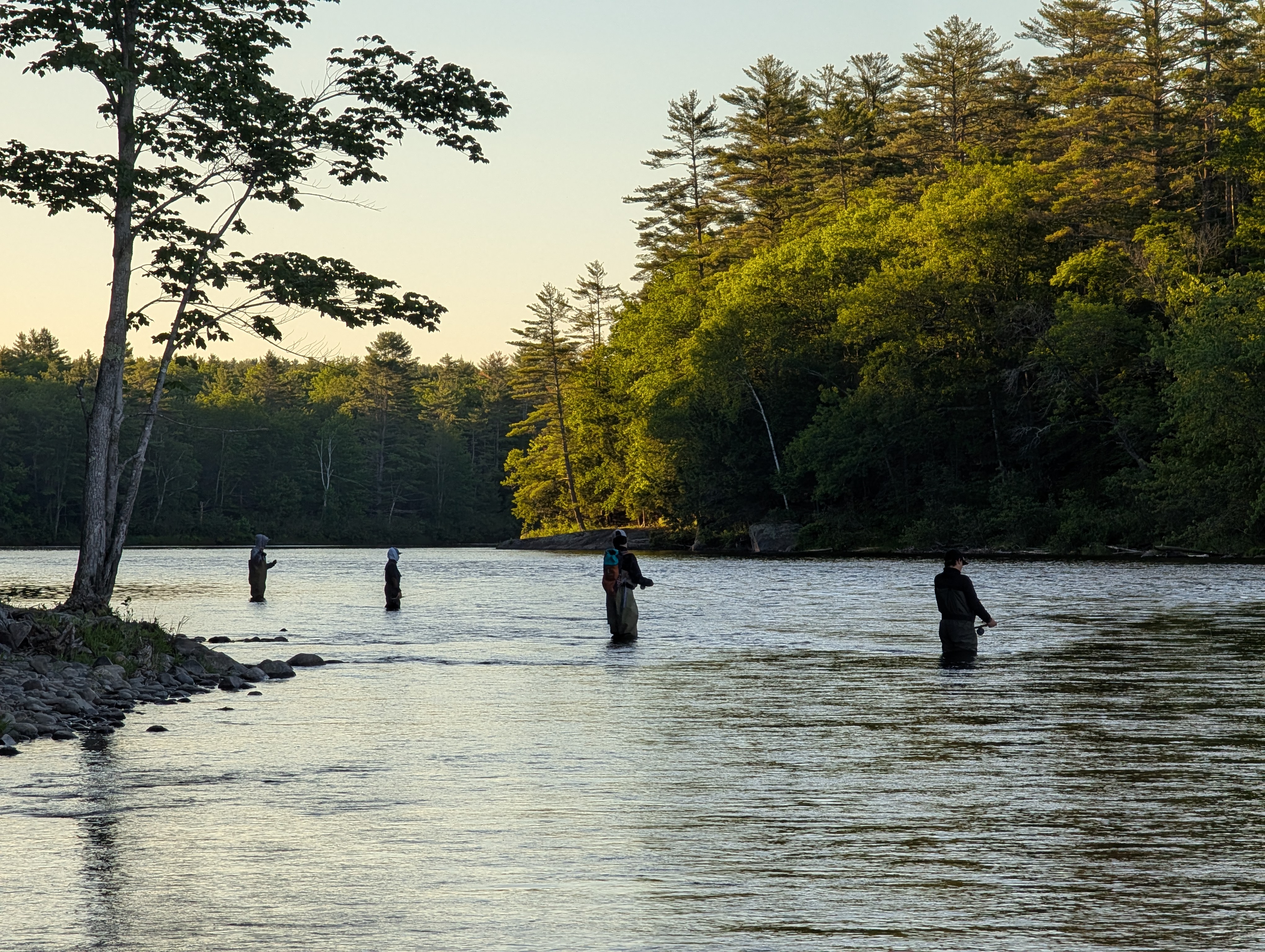
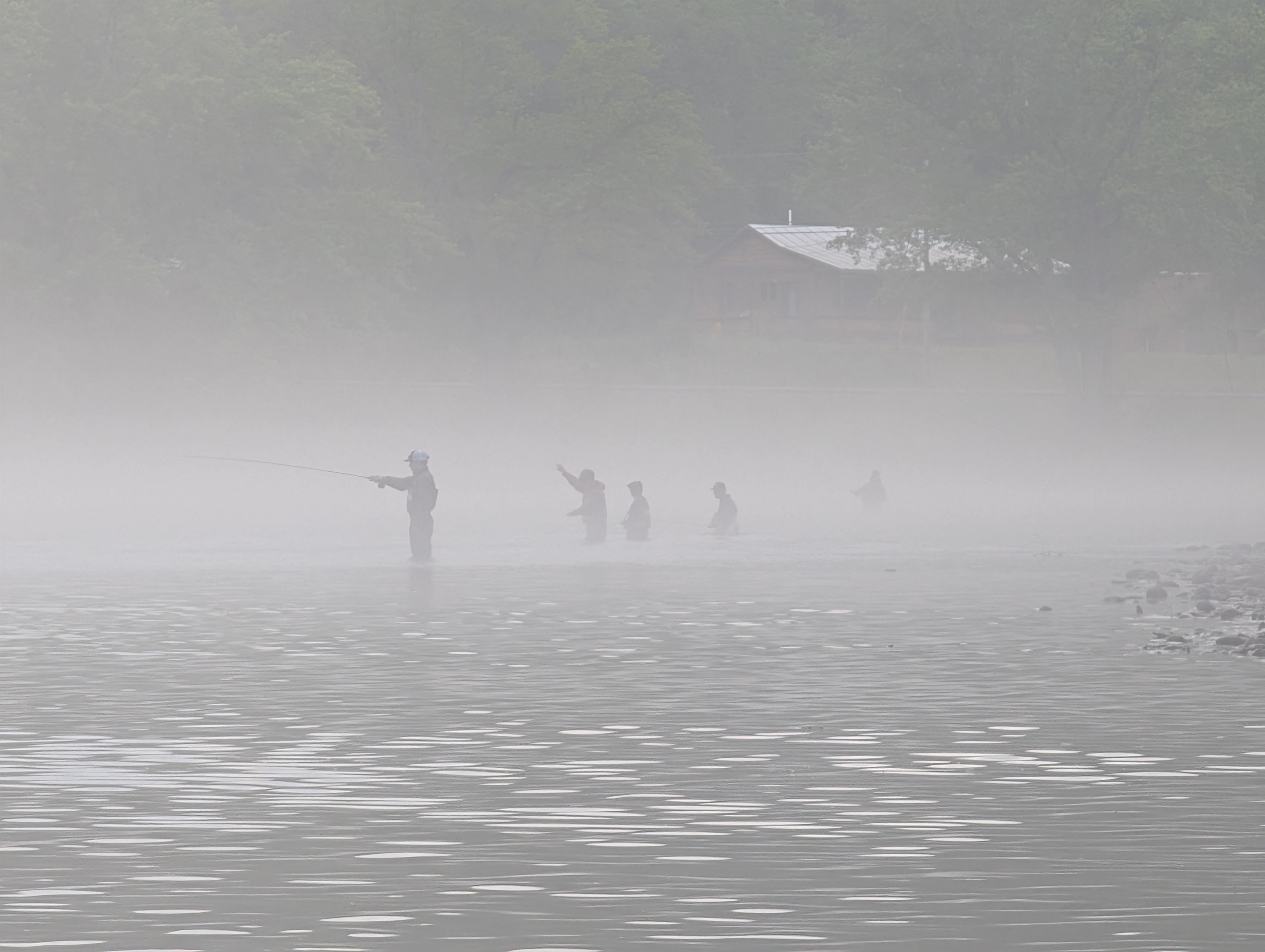
We spend a lot of time fishing at Trout Camp. Every morning at 5:00 we are on the river, and after dinner we fish until dark. There is also a field trip to Popham Beach to fish for striped bass in salt water, and a canoe trip on Thursday with plenty more fishing along the way.
Kennebec River in Solon has solid populations of landlocked salmon, brook trout, rainbow trout, with the occasional smallmouth bass and chub thrown in.
Fly Tying
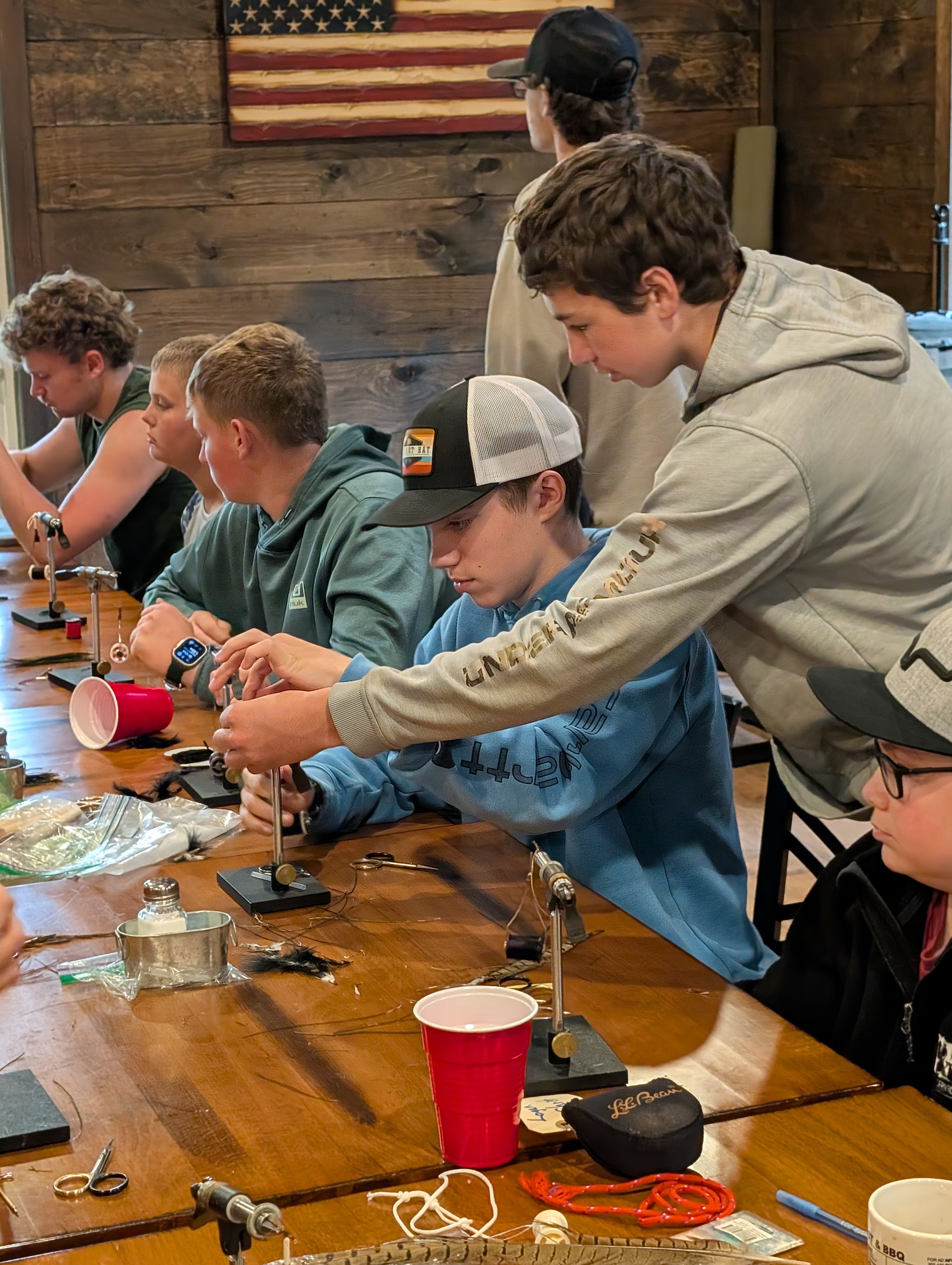
Campers also spend a lot of time learning to tie flies. Each pattern is taught by a different Registered Maine Guide and builds different tying skills with different materials. There is nothing like catching a fish on a fly you tied yourself, and some of the most successful flies at camp have been tied by campers.
Casting Coaching
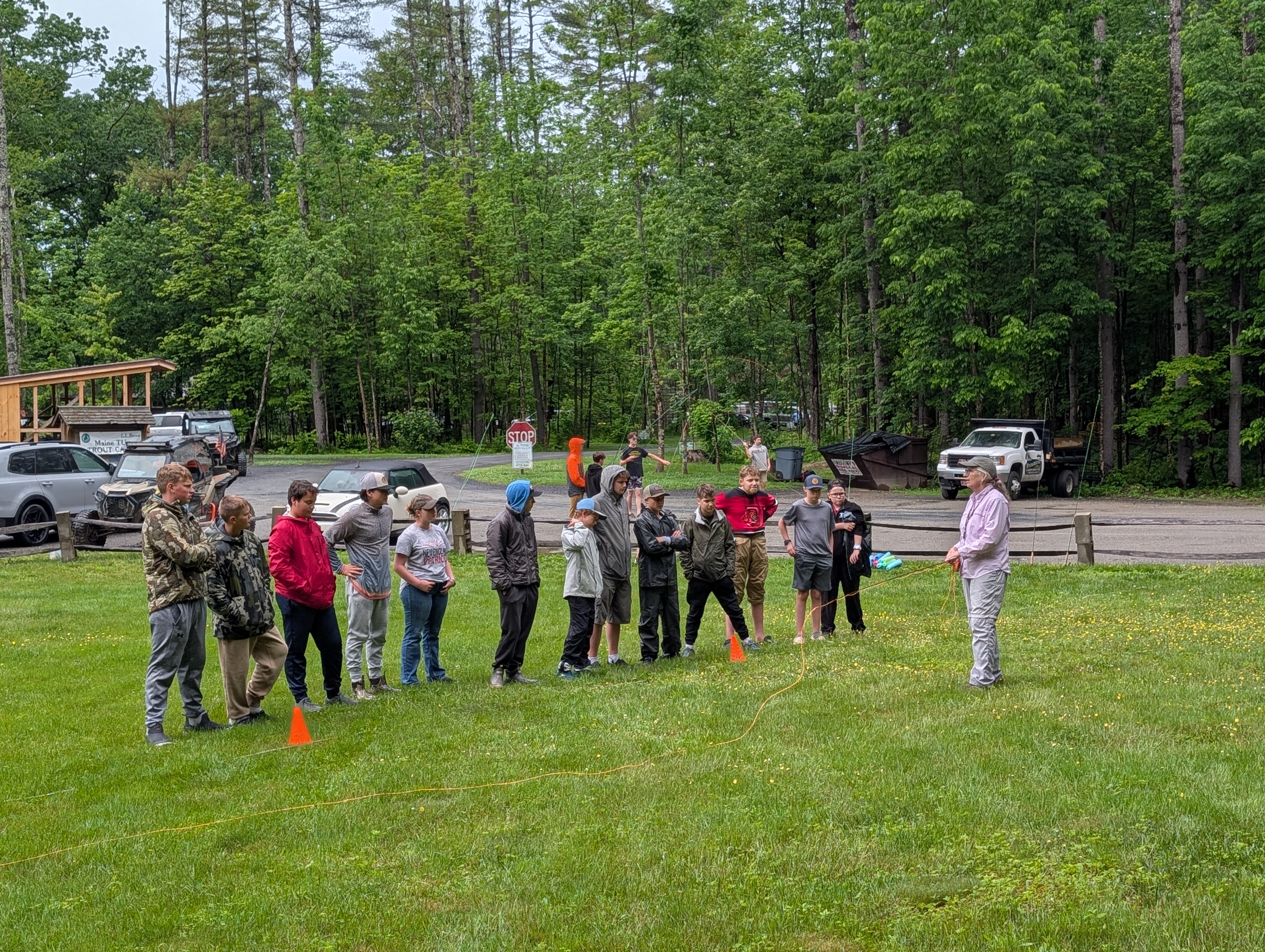
The finer points of casting need coaching. On Monday, campers are joined by outstanding and highly experienced casting instructors, whose coaching establishes the basics of several important casts.
Watershed Ecology
Stream Ecology: We Are All Interconnected
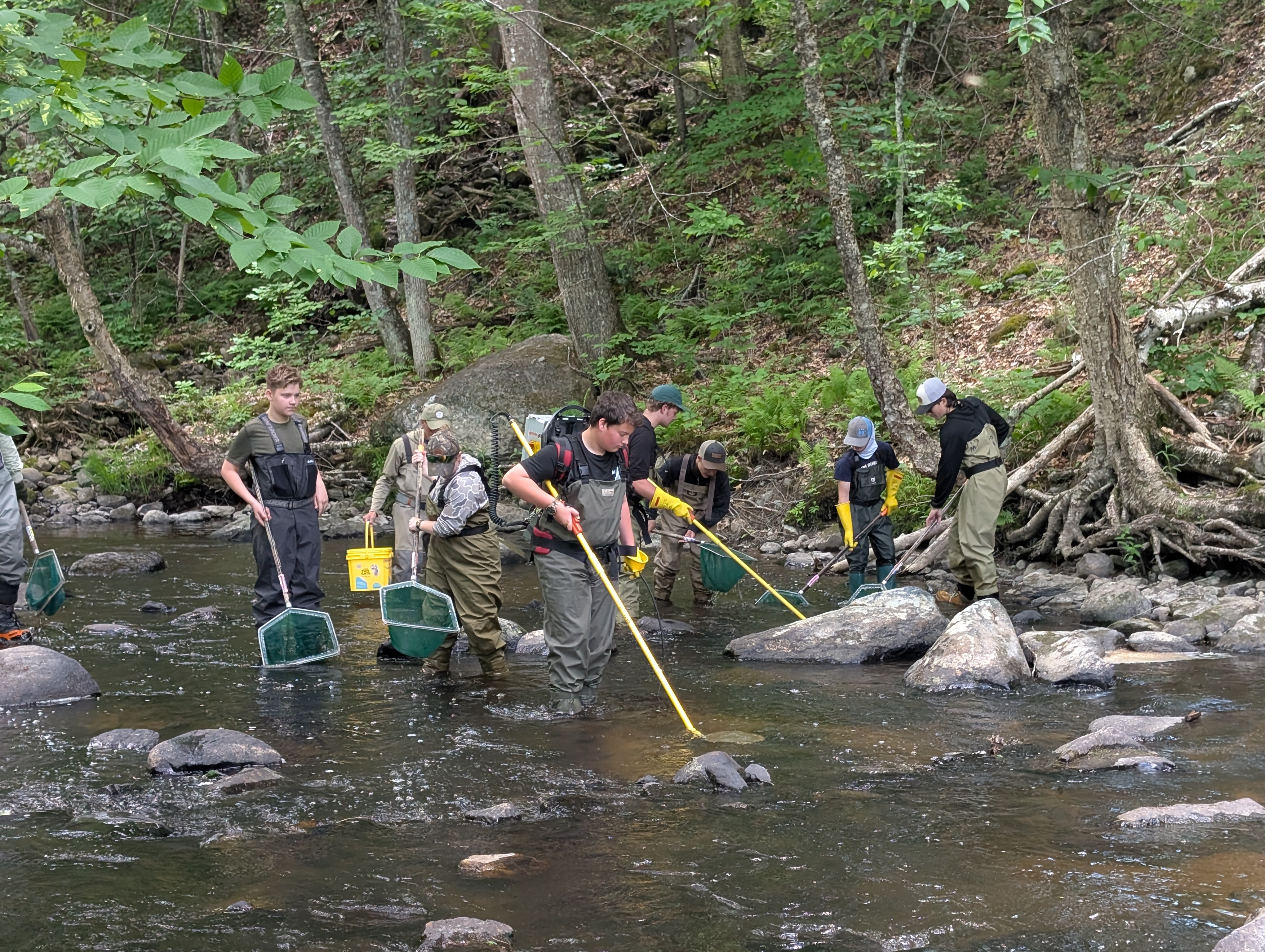
Dr. Stephen Coghlan of the University of Maine leads a deep discussion about the many residents of the stream and the role each plays in its ecology. Campers spend a couple of hours with Dr. Coghlan electrofishing a stream and counting all the different animals they encounter.
Entomology: What Fly Do You Tie On?
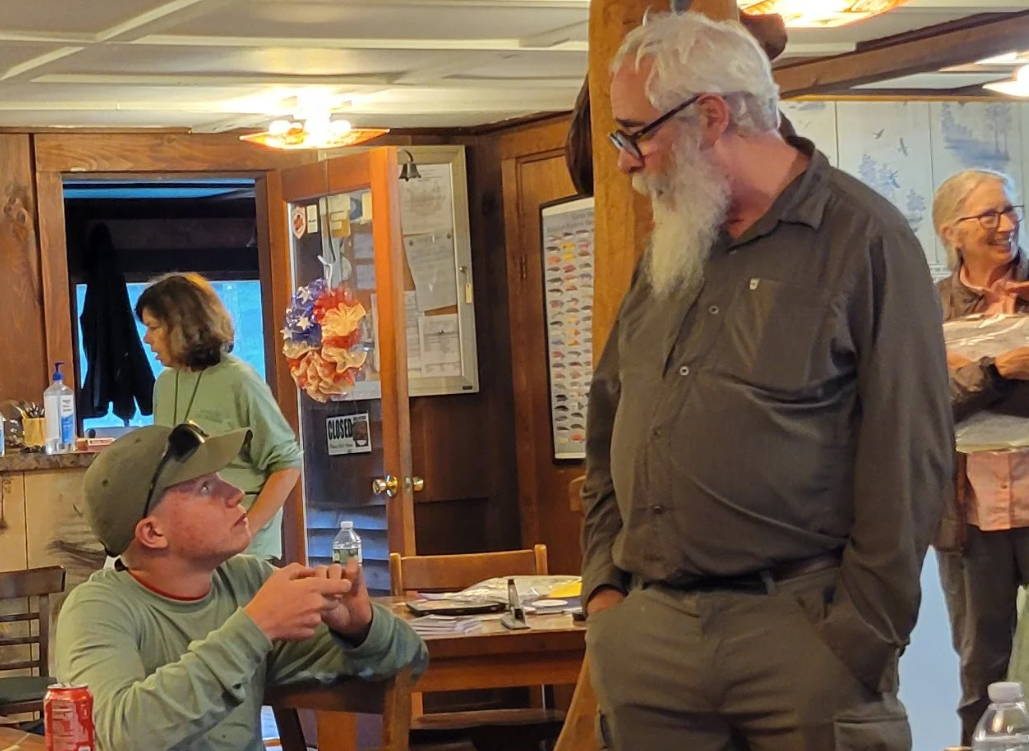
Understanding the insects in the river, how they behave, and when you might encounter them helps you choose the right fly for any situation. Eric Frohmberg, an accomplished entomologist and a fascinating presenter, leads campers in collecting aquatic insects from the river and observing their behavior under magnification.
The Stream Board: Why Do Culverts Fail?
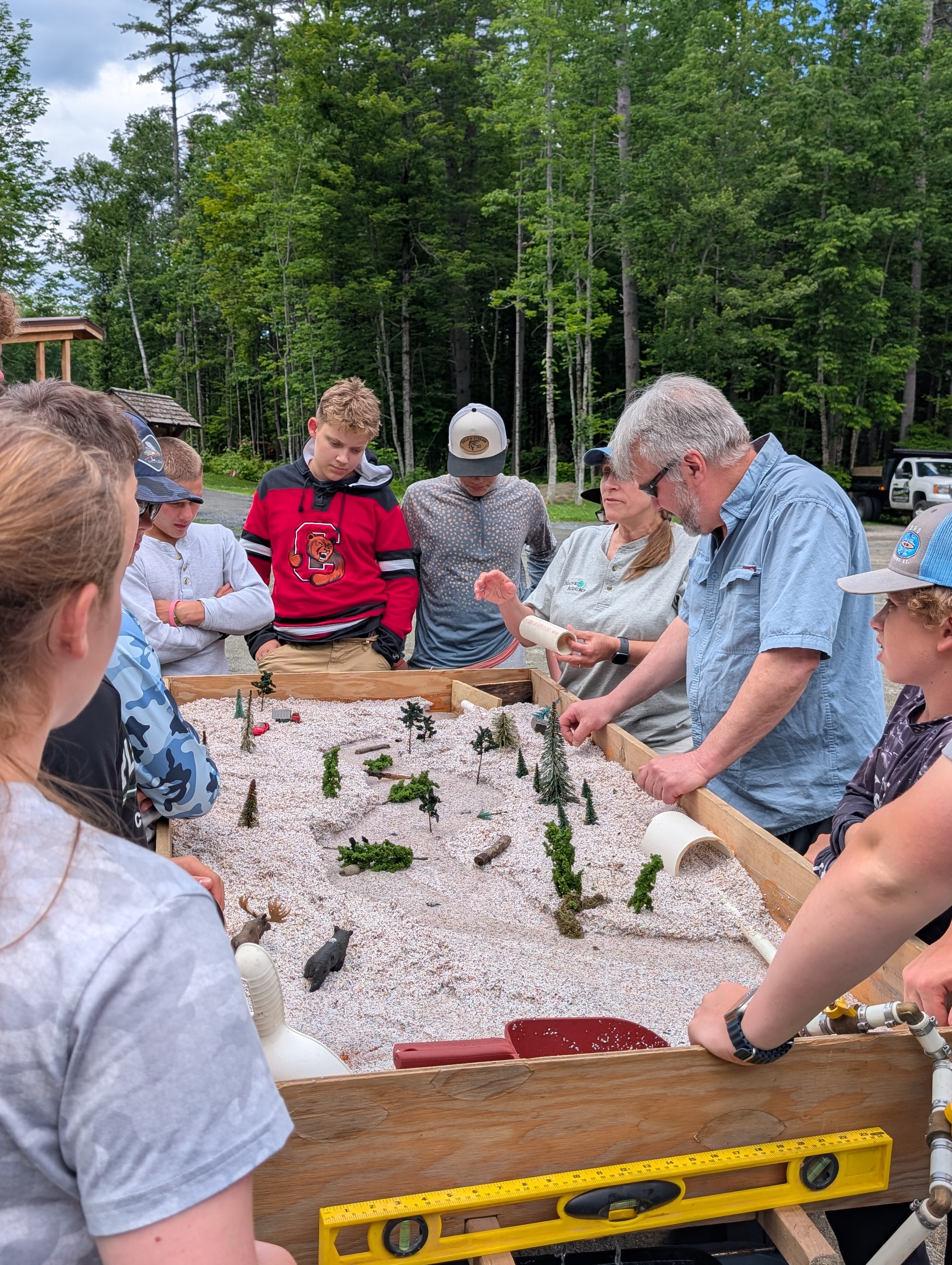
The Maine Forest Products Council and Maine Audubon bring its Stream Board to camp to demonstrate how erosion and sedimentation work. On the Stream Board, campers watch culverts fail and learn how to design more resilient stream crossings that let all manner of wildlife pass safely.
Anadromous Fish Ecology
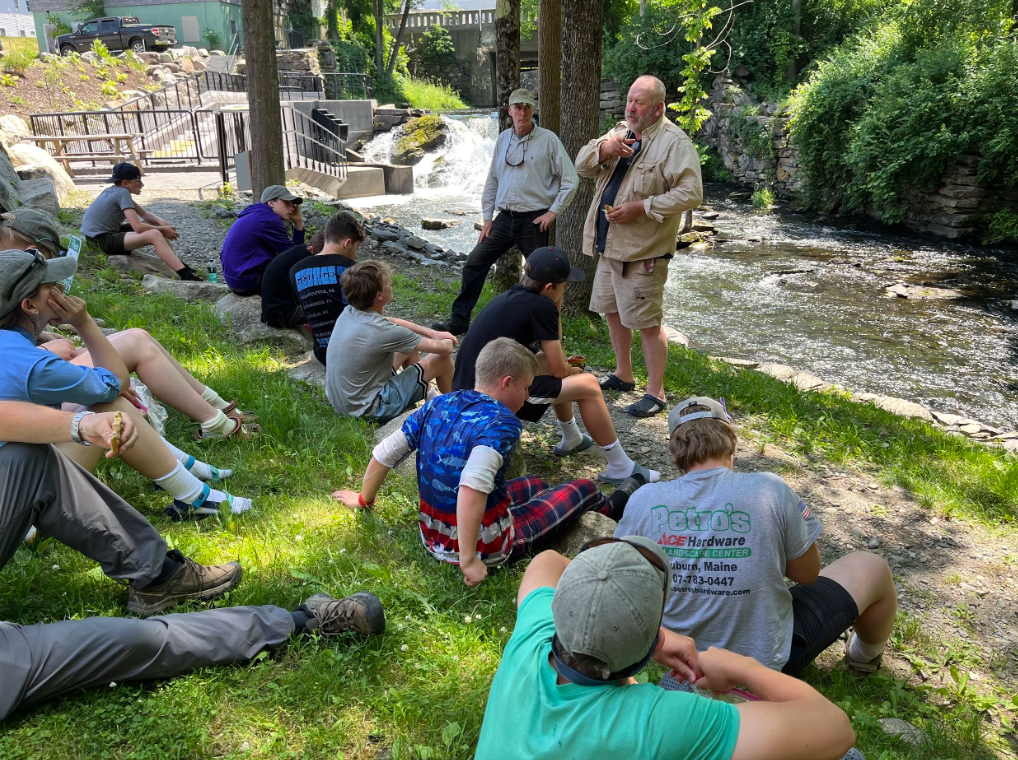
What do anadromous fish need to thrive? Nate Gray of the Maine Department of Marine Resources explains why sea-run fish are essential to the health of our streams, and how recent stream connectivity restoration projects have helped returning fish populations recover in watersheds across Maine.
Restoring Stream Connectivity
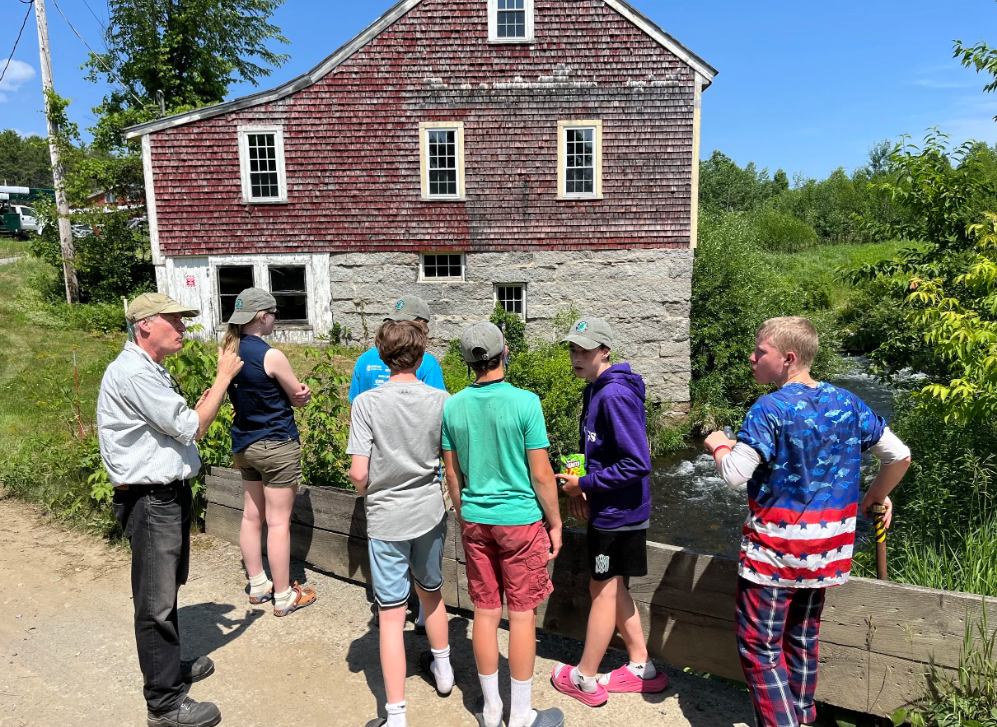
Restoring stream connectivity is a core mission of Trout Unlimited. With Matt Streeter as our guide, campers visit failed culverts and discuss the causes of each failure and its impact on a range of wildlife. We also visit several recently completed restoration projects and discuss the engineering, policy, and funding behind each one.
The Camp Setting
Evergreens Campground in Solon hosts Trout Camp. Its rustic but comfortable cabins provide a true Maine camp experience with the comforts of home. The campground offers great meals, a spacious area for indoor classes, and easy access to the Kennebec River for fly fishing and conservation studies. Located about 30 miles north of Interstate 95, it is easy to reach, and its tall pines make an excellent place to learn.
How You Can Help
There are many ways you can help make Trout Camp a success:
- Volunteer at camp. Trout Camp comes to life through volunteers. Would you like to lead campers in tying your favorite fly? Conduct a wading safety briefing? Coach casting? Help describe the ancient perspective of the living river as full of kin that deserve our respect? sturich [at] sgci.us (Contact Stu Rich) to discuss your idea.
- Help recruit campers. If you are connected to a school district or youth group, we can send you brochures describing Trout Camp to share, or you can point families directly to the application.
- Donate materials. We go through a lot of flies and fly-tying materials at camp, and we are grateful for any flies or tying materials you can donate.
- Help us raise funds. If you can share our fundraising brochures with local fly shops, sporting camps, or other organizations, sturich [at] sgci.us (drop us a note) and we will mail some to you.
- Donate. Delivering a successful Trout Camp each year takes money. Tuition covers only food and lodging; we also have logistics costs and must continually upgrade and replace equipment (our waders are in pretty sorry shape at the moment). Please consider a donation to Trout Camp.
Resources
- TC_Application_2027_fillable.pdf
- Donate to Trout Camp (please indicate "Trout Camp")
- Sponsoring and Volunteering at Trout Camp (PDF)
- Trout Unlimited National Youth Fishing & Conservation Camps
Questions? Contact sturich [at] sgci.us (Stu Rich), Trout Camp Program Director, or your local TU chapter.
Youth Education
 Trout Unlimited chapters across the state host and sponsor many educational events every year that teach fly tying and casting for youth and adults, as well as events for women. You can find us at sportsman's shows, the Alewife Festival, the Maine Wildlife Park, Boys & Girls Clubs, and YMCAs.